Trying to choose a Menlo Park neighborhood can feel like solving a lifestyle puzzle. Where you land shapes your daily rhythm, from coffee runs and park time to how you get to work. In this guide, you will see how Menlo Park’s pockets line up with shops, parks, and commute routes, plus practical tradeoffs to weigh. Let’s dive in.
Menlo Park at a glance
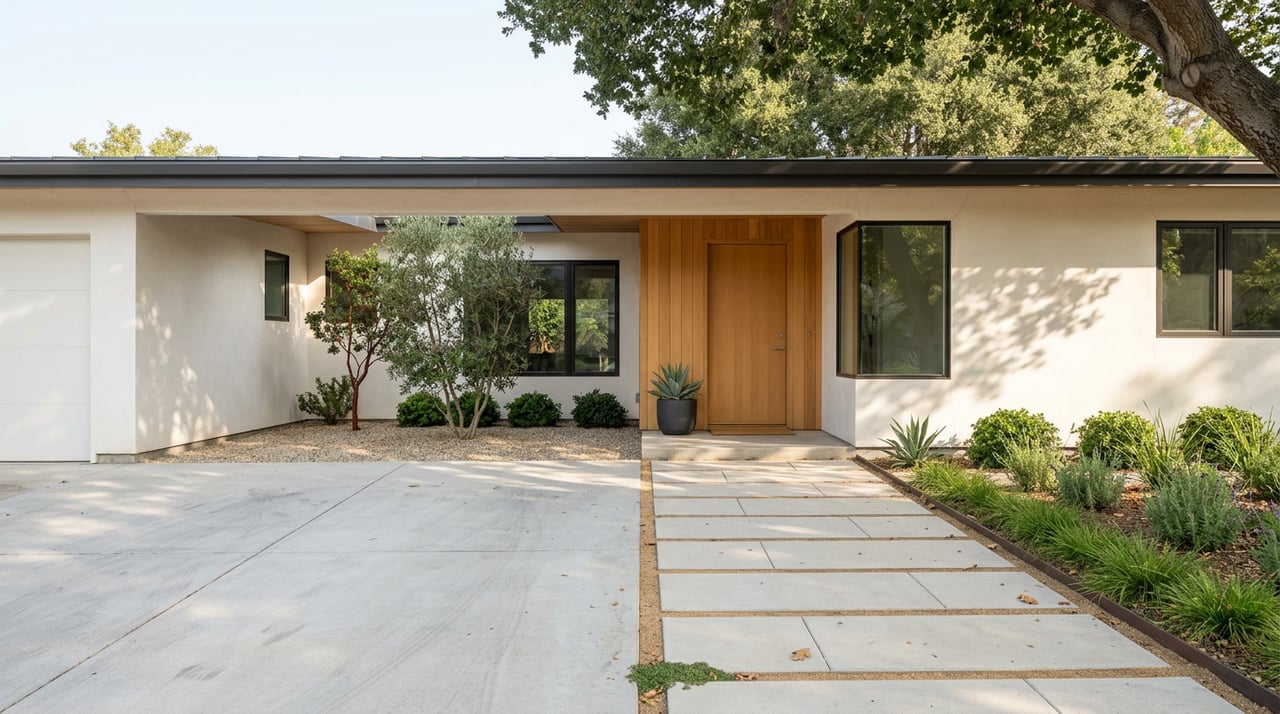
Menlo Park is compact, green, and high value, with a citywide median home price around $2.55 million, according to the current market snapshot on Realtor.com’s Menlo Park overview. Housing types range from early bungalows near downtown to mid‑century ranch homes and newer remodels in the western foothills. The city’s scale and topography influence daily life. The east side is flatter and closer to the Bay, while the west side rises toward I‑280 with curving streets and larger lots.
Downtown shops and rail access
Santa Cruz Avenue is Menlo Park’s main street. You will find cafés, local boutiques, and the Guild Theatre within a few walkable blocks. Browse the mix of businesses on the Downtown Menlo directory to get a feel for daily errands and dining. The Menlo Park Caltrain station sits right at downtown, which makes it easy to ride to Palo Alto, Redwood City, and south Peninsula hubs. See how simple a shop-and-ride day can be on Caltrain’s destination page.
Neighborhood snapshots
Allied Arts and Stanford Park
This area has a classic grid, mature trees, and many smaller homes built from the 1920s through the 1950s. The historic Allied Arts Guild anchors the neighborhood with gardens, artist studios, and shops. You are close to Santa Cruz Avenue, so morning coffee, a bite out, and small errands often happen on foot or by bike.
Commute outlook: This is one of the most transit-friendly pockets in Menlo Park. The Caltrain station is close, and biking to Palo Alto or Stanford is straightforward. The tradeoff is smaller lots and higher prices near the core.
The Willows
On the eastern side near Palo Alto, the Willows features tree-lined streets, a mix of bungalow and mid‑century homes, and many thoughtful remodels over time. Willow Oaks Park offers a neighborhood green with play areas and courts.
Commute outlook: You get quick access to Highway 101 and El Camino Real, plus a short drive or bike to the Palo Alto Caltrain station. If your routine spans Palo Alto, Mountain View, or central Peninsula employers, the Willows can reduce drive times compared to hillier western pockets.
Sharon Heights
Set in the southwestern foothills, Sharon Heights has larger lots and mid‑century construction, with curving streets and a more auto‑oriented feel. Sharon Park provides a wooded green space and lake, and neighborhood shopping nodes along Sand Hill serve daily needs.
Commute outlook: If your week revolves around the venture-capital corridor on Sand Hill Road or Stanford Research Park, you will appreciate the short local drive. For background on the corridor’s geography and role, see Sand Hill Road. The tradeoff is less transit access and more reliance on the car.
Downtown and Central Menlo
Santa Cruz Avenue and the nearby Menlo Center area form the city’s walkable heart, with independent retailers, restaurants, and the restored Guild Theatre. Many nearby streets feel residential and leafy while still benefiting from quick downtown access.
Commute outlook: This is the easiest place to live if you plan to take the train most days. Many residents walk or bike for everyday errands. Parking exists, but you may find you need your car less here.
Belle Haven and the Bayfront
East of Highway 101, the Bayfront area sits close to major employers and open space. The Meta Campus project page shows how large campuses shape the area, while nearby baylands offer expansive views and recreation.
Commute outlook: If you work in the Bayfront district or value easy access to the Bay Trail network, this location minimizes commute stress. The tradeoff is that the area continues to evolve with planning and redevelopment activity, so neighborhood services and circulation may change over time.
Commute tradeoffs to weigh
Match your weekly routine to the streets that suit it best.
- Rail plus walk or bike: If you rely on Caltrain most days, Allied Arts, downtown-adjacent streets, and parts of the Willows near Palo Alto reduce first and last mile friction. Expect strong walkability and a compact lot pattern.
- Sand Hill, VC, or Stanford short drive: Sharon Heights and nearby west-side pockets put you minutes from meetings. You gain time back by skipping cross-town traffic. The tradeoff is a car-forward lifestyle and fewer sidewalks.
- Bayfront and campus access: Bayfront addresses near Belle Haven place you next to employers and waterfront recreation. You will want to track ongoing city planning efforts and traffic changes as projects progress.
- Suburban scale, short local drives: West Menlo and Sharon Heights deliver space and quiet streets. If your commute timing is flexible, a 15 to 30 minute drive can feel predictable and calm.
Parks and open space
If weekend miles on a bike or long sunset walks matter, the bay side has standout options. Bedwell Bayfront Park spans about 160 acres with views and direct connections to the Bay Trail. On neighborhood greens, Willow Oaks and Sharon Park add convenient play areas, courts, and shaded strolls. These choices shape your daily routine as much as commute time does.
Getting around without a car
Caltrain is the backbone for many residents near downtown and Palo Alto. For in-town trips, the city’s shuttles can help connect your week. The M1 Crosstown route links neighborhoods with downtown Menlo Park and Stanford-area destinations. Check the current schedules on the Menlo Park City Shuttle page.
What to prioritize when choosing
Use this short worksheet to clarify your fit:
- Commute reality: How many days are you in the office, and where is it? If you ride Caltrain, focus on downtown-adjacent streets. If you drive Sand Hill often, start in Sharon Heights.
- Daily errands: Do you want to walk to coffee, groceries, and dinner several times a week? Downtown and Allied Arts shine for on-foot living.
- Weekend recreation: Are you a bay trail runner or cyclist, or do you prefer shaded neighborhood parks? Bedwell Bayfront Park is ideal for long routes. Willow Oaks and Sharon Park suit everyday green time.
- Lot size and street feel: Do you want a quiet, curving street and a larger yard, or a compact lot near activity? Sharon Heights trends larger, Allied Arts trends smaller and walkable.
- Budget alignment: Keep the city’s median of about $2.55 million in mind from Realtor.com’s Menlo Park overview. Expect pockets near downtown and well-located west-side areas to price at or above the median.
How we help you decide
Choosing between great options is easier with clear, local guidance. We walk you through block-by-block tradeoffs, preview commute paths at your actual drive times, and compare nearby streets for noise, sun, and privacy. If you are selling, we can advise on targeted improvements and presentation to meet Menlo Park buyers where they are.
Ready to tour neighborhoods or map your week to the right pocket? Connect with The Fallant Team for a thoughtful, data-informed plan that fits your goals.
FAQs
What is the current Menlo Park home price context?
- The citywide median is about $2.55 million based on Realtor.com’s Menlo Park overview, with neighborhood medians varying by location and housing stock.
Which Menlo Park areas suit daily Caltrain riders?
- Allied Arts, downtown-adjacent streets near Santa Cruz Avenue, and parts of the Willows close to Palo Alto minimize first and last mile time to the station.
How does Sharon Heights handle Sand Hill Road commutes?
- Sharon Heights offers one of the shortest, simplest car commutes to Sand Hill Road and Stanford Research Park, trading stronger transit access for convenient local driving.
Where can I find bayfront trails and open space in Menlo Park?
- Bedwell Bayfront Park connects directly to the Bay Trail and offers broad views, long walking routes, and off-road biking options.
What shapes the Bayfront and Belle Haven neighborhood experience?
- Proximity to major employers and the waterfront stands out, with the Meta Campus project page providing context on large campuses that influence commutes and local activity.