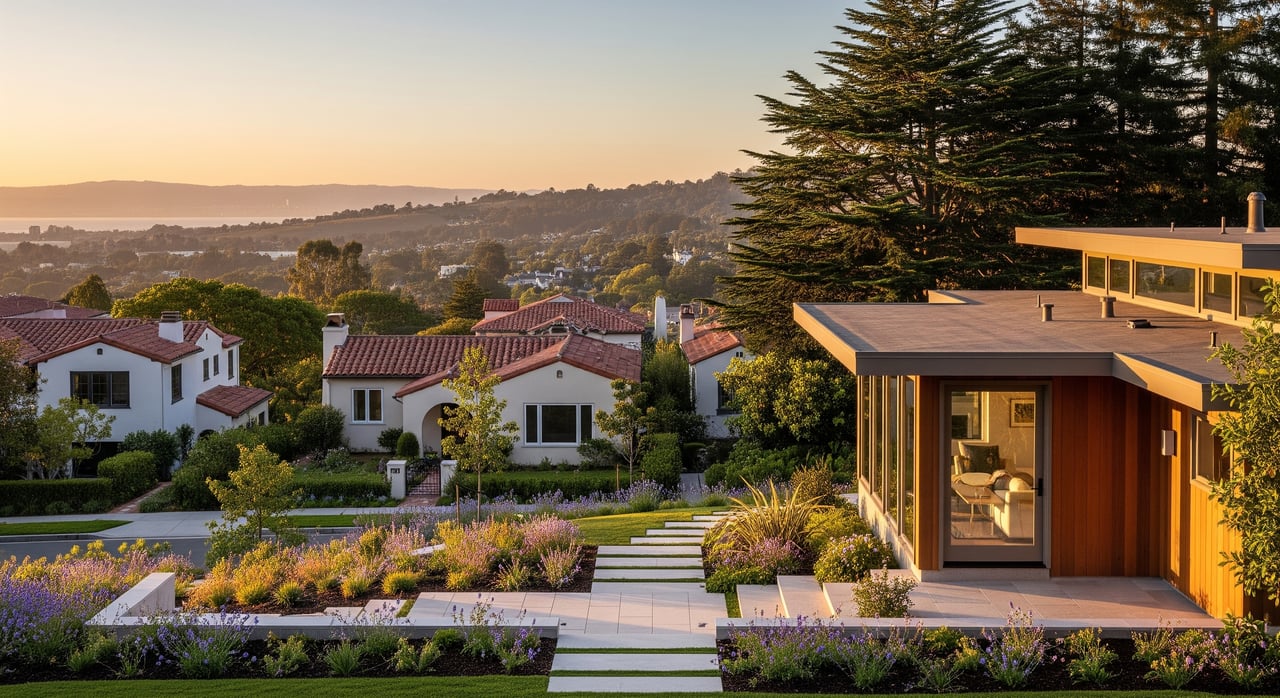
Trying to make sense of Belmont’s neighborhoods and what each costs? You are not alone. Belmont packs a lot into a small city, from walkable streets near Caltrain to hillside homes with sweeping views. In this guide, you will learn what to expect in each pocket, typical price bands, commute and school basics, and how to match your budget to the right fit. Let’s dive in.
Belmont at a glance
Belmont sits between San Mateo and San Carlos in the Mid‑Peninsula, close to both Highway 101 and 280. It is primarily residential with shops and services clustered along Ralston Avenue and El Camino Real. The housing stock skews toward mid‑century single‑family homes, with some townhomes and small multi‑unit buildings near El Camino and downtown.
Citywide pricing runs mid to high for the Peninsula. Smaller 2 to 3 bedroom homes or fixers often start in the mid to high $1M range. Renovated or larger homes commonly sell from the low $2Ms to $3M and above. Hilltop or extensively rebuilt properties can reach higher. Always verify current numbers with recent comps because prices can shift quickly.
Price bands overview
Here is a quick way to think about budget in Belmont. Use these as starting points and confirm with up‑to‑date sales and active listings.
- Upper $1Ms to low $2Ms: Smaller single‑family homes, condos, or fixers, often in central or El Camino corridor pockets. Some compact lots close to downtown and transit.
- Low $2Ms to mid $3Ms: Renovated 3 to 4 bedroom homes in Sterling Downs, central Belmont, or Carlmont areas. Some mid‑sized hill homes without premium view lots.
- Mid $3Ms and above: Larger hillside or Belmont Heights homes with views, high‑end renovations, or newer construction.
Neighborhood profiles
Sterling Downs and North Belmont
This north‑central pocket sits near Ralston Avenue and west of Alameda de las Pulgas. Streets are tree lined and close to downtown conveniences. Homes are mostly single‑story ranch and mid‑century styles, many with thoughtful updates. Lots commonly run about 5,000 to 7,000 square feet.
- Price range: Often among the more attainable areas for a single‑family home in Belmont. Smaller or less updated homes may start in the mid to high $1Ms. Renovated properties frequently reach the low $2Ms.
- Good fit for: Buyers who value a quieter residential feel with quick access to shops and the Caltrain corridor.
Central Belmont and Belmont Village
Around downtown, Old County Road, and Twin Pines Park, this is the city’s core. You will find older craftsman and ranch homes, plus a mix of attached units near the commercial strips. Many lots are 5,000 to 7,500 square feet. The area offers walkability to local markets, restaurants, and civic spaces.
- Price range: Walkable homes near transit often command a premium over non‑hill pockets. Renovated properties commonly land in the low $2Ms. Smaller options can appear in the upper $1Ms.
- Good fit for: Caltrain commuters and those who prefer shops and services within a short stroll.
Carlmont and Ralston corridor
Centered around Carlmont High School and Carlmont Village shopping, this south‑central area is popular for its established, residential character. Homes include mid‑century ranch, split‑level, and post‑war styles, with frequent interior updates. Lots often run 6,000 to 9,000 square feet.
- Price range: Renovated 3 to 4 bedroom homes commonly sell in the low to mid $2Ms. Larger or extensively remodeled homes can sell higher.
- Good fit for: Buyers seeking neighborhood feel, larger lots than downtown areas, and access to everyday conveniences.
Belmont Heights and the eastern hills
Running east of Alameda de las Pulgas and up toward the Crystal Springs watershed, these hillside pockets offer privacy and views. Many homes have significant remodels or newer construction infill. Lots are often larger, from roughly 7,500 square feet to 15,000 square feet or more, though shapes can be irregular on steeper slopes.
- Price range: Among Belmont’s most expensive areas. Expect mid $2Ms to $4M and above depending on size, lot, and view. High‑end remodeled homes can exceed this.
- Good fit for: Buyers who prioritize views, privacy, and larger parcels, and who are comfortable with hillside access.
El Camino corridor and western side streets
Near El Camino Real, you will see a mix of smaller single‑family homes, condos, townhomes, and garden‑style apartments. The setting is more active because of nearby retail and transit.
- Price range: Often one of the more affordable entry points within Belmont for smaller single‑family homes or condos. Expect upper $1Ms to low $2Ms for many options, depending on size and condition.
- Good fit for: Value seekers who want convenience and proximity to services.
Hill and canyon pockets
Belmont includes several informal hill neighborhoods and canyon‑adjacent clusters. Access can include winding roads and steep streets. Homes range from original mid‑century properties to bespoke rebuilds.
- Price range: Widely variable. Steep sites and access challenges can discount prices. Exceptional views or special lots can command a premium.
- Good fit for: Buyers who want a unique site, views, and privacy, and who are comfortable with hillside living.
Commute and transit
Belmont’s central Caltrain station makes rail commuting straightforward. Typical travel time to San Francisco’s 4th & King is about 30 to 40 minutes depending on train type. Check the latest times on the official Caltrain schedules.
For drivers, Highway 101, Highway 92, and Interstate 280 are all close. Commute times vary by time of day. Reaching downtown San Francisco without heavy traffic can take roughly 25 to 45 minutes, with peak periods often longer. Local bus service is available through SamTrans; confirm specific routes for first and last mile connections.
Schools and enrollment basics
Belmont is served by the Belmont‑Redwood Shores School District for K to 8 and the Sequoia Union High School District for high school. Many families consider district schools a key factor when choosing Belmont. Always verify school assignment by address on the districts’ boundary tools and review current program details and performance.
Hills, lots, and construction
Hillside properties can deliver scenic views and privacy, but slopes may introduce practical tradeoffs. Steeper driveways, more stairs, and site‑work complexity can affect remodeling and rebuild costs. Central and older flatland pockets often have more regular lots that are easier for additions or yard use.
If you are exploring an ADU, setbacks and slope can influence design and feasibility. Belmont follows statewide ADU rules in the context of local zoning, so confirm requirements and permit timelines with the City. For the latest planning and building guidance, visit the City of Belmont.
Low‑lying areas and creek‑adjacent parcels can have specific drainage considerations. It is smart to review stormwater guidance and flood information before you buy, and to include inspections that evaluate foundations and seismic upgrades common to older Bay Area homes.
Belmont vs nearby cities
- San Mateo: Larger city with more condo and townhome choices and denser downtown living. Belmont is quieter and more residential, with a strong single‑family focus.
- Redwood City: Bigger downtown and a wider range of price points and new‑construction projects. Belmont offers a calmer feel and smaller city setting.
- San Carlos: Similar family orientation and commute profile. Some San Carlos pockets can be slightly more expensive. Both cities have Caltrain access and neighborhood retail.
When comparing, weigh school assignment, commute times, lot size, hillside versus flat settings, and walkability. Use the same origin and destination when testing drive times to get an apples‑to‑apples comparison.
How to pick your Belmont fit
Use this quick checklist as you narrow options:
- Budget fit: Align neighborhoods with your target range. Start with Sterling Downs, central Belmont, or El Camino corridor for earlier price points. Explore Carlmont and the hills for larger or view homes.
- Commute needs: If Caltrain is key, prioritize central Belmont and Sterling Downs for proximity to the station. If you drive, test routes at your actual commute time.
- Lot and layout: Prefer single‑level living and flat yards, or are you open to hillside steps and panoramic views? Walk the slope to feel daily life.
- Future plans: If you want to expand or add an ADU, assess lot shape, slope, and setbacks. Discuss permitting with the City early.
- Schools: Confirm district and school assignment by address. Review program offerings and enrollment timelines.
Ready to take the next step?
Belmont offers a clear set of tradeoffs that can help you make a confident choice. If you want a walkable, Caltrain‑friendly lifestyle, look near downtown and Sterling Downs. If views and privacy top your list, explore Belmont Heights and the hill pockets. If you want a balance of lot size and convenience, the Carlmont area often hits the sweet spot.
If you would like a personalized shortlist with current comps, commute tests, and property‑level considerations, reach out to The Fallant Team. We will help you match your budget and lifestyle to the right Belmont pocket, and guide you from first tour to successful close.
FAQs
What are typical Belmont home prices today?
- Belmont single‑family homes often range from the mid to high $1Ms for smaller or less updated properties to $2M to $3M and above for larger or renovated homes, with premium hillside properties reaching higher; confirm current numbers with recent sales.
Which Belmont areas are best for Caltrain access?
- Central Belmont and Belmont Village, along with nearby parts of Sterling Downs, are closest to the station and offer convenient access to the Caltrain schedules.
How does Belmont compare with San Mateo and San Carlos on price?
- Belmont generally sits mid to high on Peninsula pricing, often comparable to central San Mateo or central Redwood City and sometimes slightly below top San Carlos pockets, though micro‑location and condition can shift the comparison.
Are hillside homes harder to remodel or add an ADU?
- Steeper slopes can add design and site‑work complexity that affects cost and timelines, so it is important to review local zoning, setbacks, and feasibility with the City early in your planning.
Which schools serve Belmont addresses?
- K to 8 is served by the Belmont‑Redwood Shores School District and most high school students attend Carlmont High within the Sequoia Union High School District; verify specific assignments by address with the districts.