Redwood City stopped taking new applications for its Mills Act tax break on March 9, 2026. The city council voted 6-1 to freeze the program while staff rewrite the rules, and the earliest a new applicant can even prepare to file is June 2028. For anyone shopping for an older Redwood City home hoping to unlock that tax reduction themselves, the door is closed for at least two more years.
But the freeze only stops new contracts. It does nothing to the 41 that already exist, and those contracts travel with the house when it sells. That distinction changes how a buyer should think about older Redwood City properties right now. The tax break isn't gone. It's just no longer something you apply for. It's something you have to buy already attached to a specific address.
The Freeze, In Plain Terms
The Mills Act is a state law, adopted in 1972, that lets cities offer property tax reductions to owners of designated historic buildings in exchange for a commitment to restore and maintain them. Redwood City signed on in 1990. Since then the city has approved 41 contracts, and as recently as December 8, 2025, the council approved four new ones in a single sitting, the most it had ever approved at once.
Three months later, the same council reversed course. Senior planner Ryan Kuching told the council staff's recommendation was to pause intake of new applications while a consultant and the Historic Resources Advisory Committee work through an update to the city's Historic Preservation Ordinance. The concerns raised in that meeting included how much property tax revenue the program was diverting from city services and school districts, how much the process relied on homeowners self-reporting their own improvements, and gaps in oversight. Redwood City conducts interior inspections of Mills Act properties on a five-year cycle, but a December 2025 city report noted that interior inspections "were not determined necessary" that round.
Councilmember Isabella Chu was blunt about the underlying question, saying she didn't think the conditions that originally justified the incentive still applied to Silicon Valley in 2026. The pause isn't framed as permanent. Staff are due to bring the council a progress report in December 2027, and property owners have been told they can prepare to reapply by June 2028.
Kuching was equally direct about what the freeze doesn't touch: staff isn't recommending any change to the status of the existing 41 contracts, and all existing agreements will be honored.
What Doesn't Freeze: The Contract Rides Along With the House
A Mills Act contract runs for a minimum of 10 years and renews automatically each year, so in practice it keeps rolling forward unless the owner or the city cancels it. In more than three decades of the program, only one contract in Redwood City has ever been canceled.
That durability matters because the contract isn't tied to the person who applied for it. It's tied to the property. When a Mills Act home sells, the new owner inherits the same tax treatment the seller had, along with the same obligation to maintain the property according to the standards in the contract. For a buyer, that means the fastest and, for the next two years, only way to get into the program is to buy one of the 41 addresses that already carry it.
Christopher Ver Planck, a historic preservation consultant who evaluates properties for Mills Act eligibility, put the intent of the program plainly: it isn't supposed to subsidize wealthy people buying expensive real estate, even though that's sometimes how it gets used. He estimated that roughly 10 percent of the properties he evaluates actually qualify as historic, describing the standards as "fairly arcane" with real room for differing interpretation.
One Address, $340,000: What the Contract Is Actually Worth
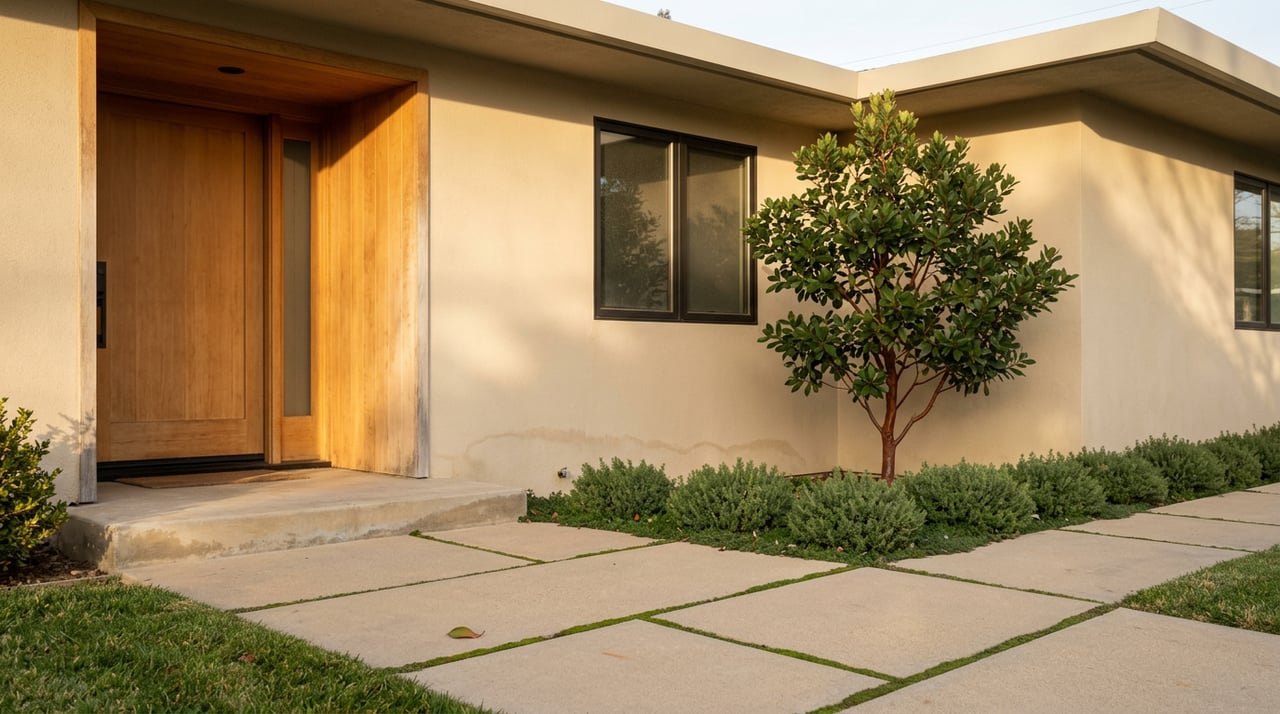
The clearest illustration of what a Mills Act contract is worth sits at 1052 Edgewood Road, a 4,000-square-foot single-story home built in the ranch style that defined mid-1900s California residential architecture. To someone driving past, it's an unremarkable house on a grassy lot. To the Redwood City assessor, it's been part of the Mills Act program since 2014, and in that time it has saved nearly $340,000 in property taxes. The home is now valued at more than $5 million.
That gap exists because Mills Act properties aren't assessed the standard way. Instead of valuing the home based on comparable market sales, the county calculates an alternative value using an income approach, essentially treating the property as if it were being rented out, then applying a capitalization rate. The lower of that restricted value and the standard Proposition 13 value is what actually gets taxed. On a home like 1052 Edgewood Road, that method typically produces a reduction in the range of 40 to 60 percent off what the tax bill would otherwise be.
Here's the timeline that gets you there:
| Date | Event |
|---|---|
| 1972 | State legislature enacts the Mills Act statewide |
| 1990 | Redwood City adopts its own Mills Act program |
| 2014 | 1052 Edgewood Road enters a Mills Act contract |
| Dec. 8, 2025 | Council approves four new contracts, the most ever in one sitting |
| March 9, 2026 | Council votes 6-1 to suspend new applications |
| Dec. 2027 | Staff progress report due back to council |
| June 2028 | Property owners may prepare to reapply |
What This Means If You're Buying an Older Redwood City Home
If a listing agent mentions a property carries a Mills Act contract, treat that as a real financial detail worth verifying before you write an offer, not a footnote. Ask for a copy of the actual contract and the maintenance schedule attached to it. A Mills Act agreement typically spells out specific restoration or upkeep work the owner has committed to over the 10-year term, and as the new owner you'd be taking on that same commitment along with the tax benefit. Confirm with the county assessor's office what the current restricted value and tax bill actually are, since the savings can shift year to year as market conditions and the capitalization rate change.
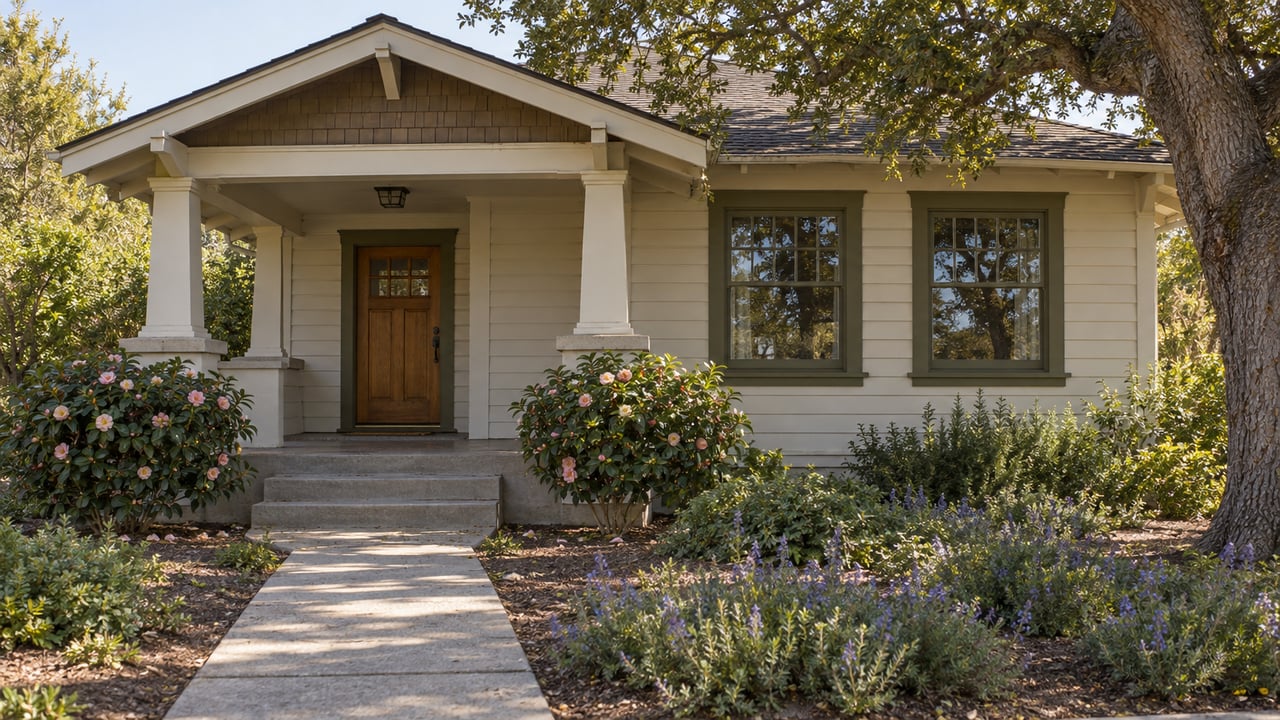
For a buyer specifically hunting for the tax advantage, this also means widening the search beyond obvious architectural landmarks. Some of Redwood City's Mills Act homes are grand. Others are modest single-story houses that happen to sit within a designated historic district or carry local landmark status on their own. The list of which 41 addresses currently hold contracts isn't something we're able to compile here, but it's a reasonable question to put directly to the city's planning staff or to bring up early with an agent who can help track it down.
What This Means If You're Selling One
If you already own a Mills Act property in Redwood City, the freeze on new applications works in your favor rather than against you. Every buyer who wants the tax break for the next two years has to come to you, or to one of the other 40 owners in the same position. That's worth surfacing clearly in your listing rather than leaving buyers to discover it in the disclosures. Be ready to hand over the contract terms, your maintenance history, and documentation of the tax savings to date, the same way the 1052 Edgewood Road numbers made the benefit concrete for a buyer evaluating that specific house.
A Few Common Questions
Can I still apply for a Mills Act contract on a Redwood City home I already own? Not right now. The city suspended new applications on March 9, 2026, and isn't expected to reopen intake before June 2028.
Does the tax benefit disappear when I sell? No. The contract is attached to the property and transfers to the new owner along with its terms and obligations.
What happens if the new owner doesn't maintain the property as agreed? The city inspects active Mills Act properties on a five-year cycle to confirm the work outlined in the contract is happening. Cancellations are rare. Only one contract has ever been terminated in the program's history in Redwood City.
Does every old house in Redwood City qualify? No. A property first has to be designated historic, either individually or as a contributing structure within a recognized historic district, before it can be considered for a Mills Act contract.
Will the rules change when the program reopens in 2028? Likely yes. City staff are actively considering changes such as required active rehabilitation in the first 10 years, caps on how much tax revenue the program can forgo annually, and possibly limits based on a property's value. What a future applicant gets in 2028 may not look exactly like what the current 41 contract holders have.
If you're weighing an offer on an older Redwood City home, or wondering whether a property you already own might carry benefits worth surfacing before you list, the Fallant Team can help you sort through what a specific address actually qualifies for and what it's worth in real numbers. Schedule a consultation to talk through your next move.