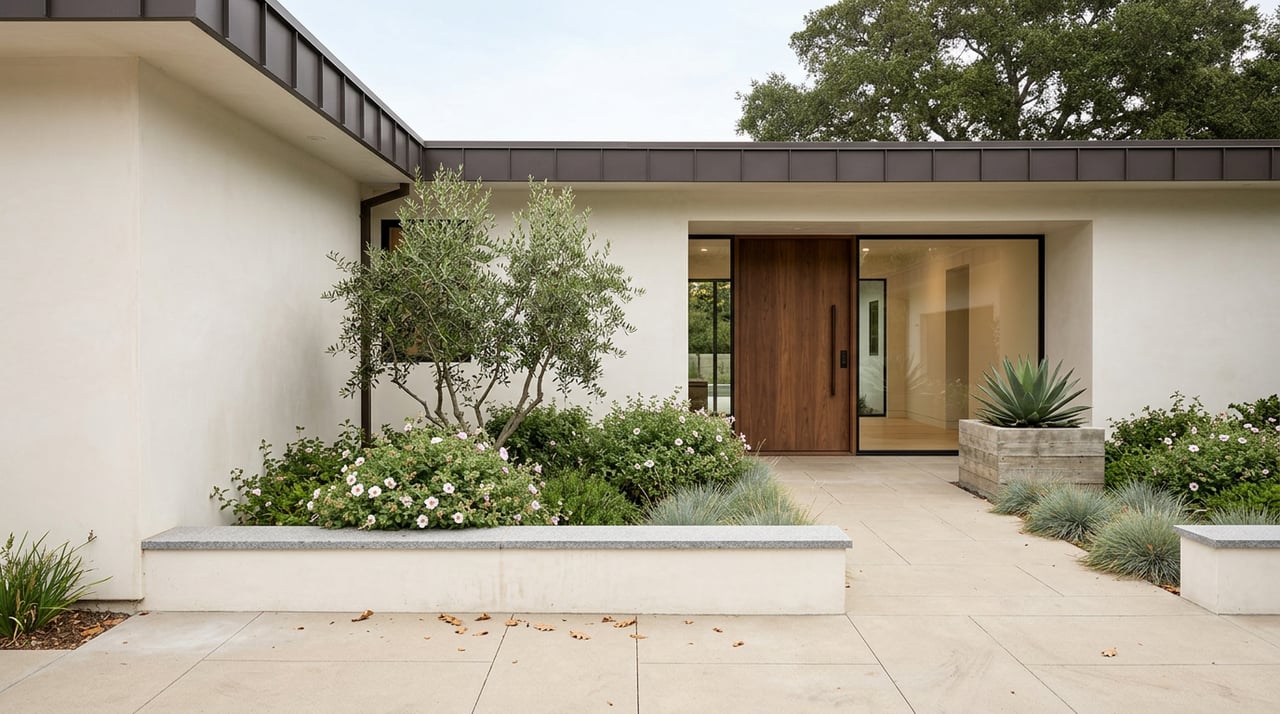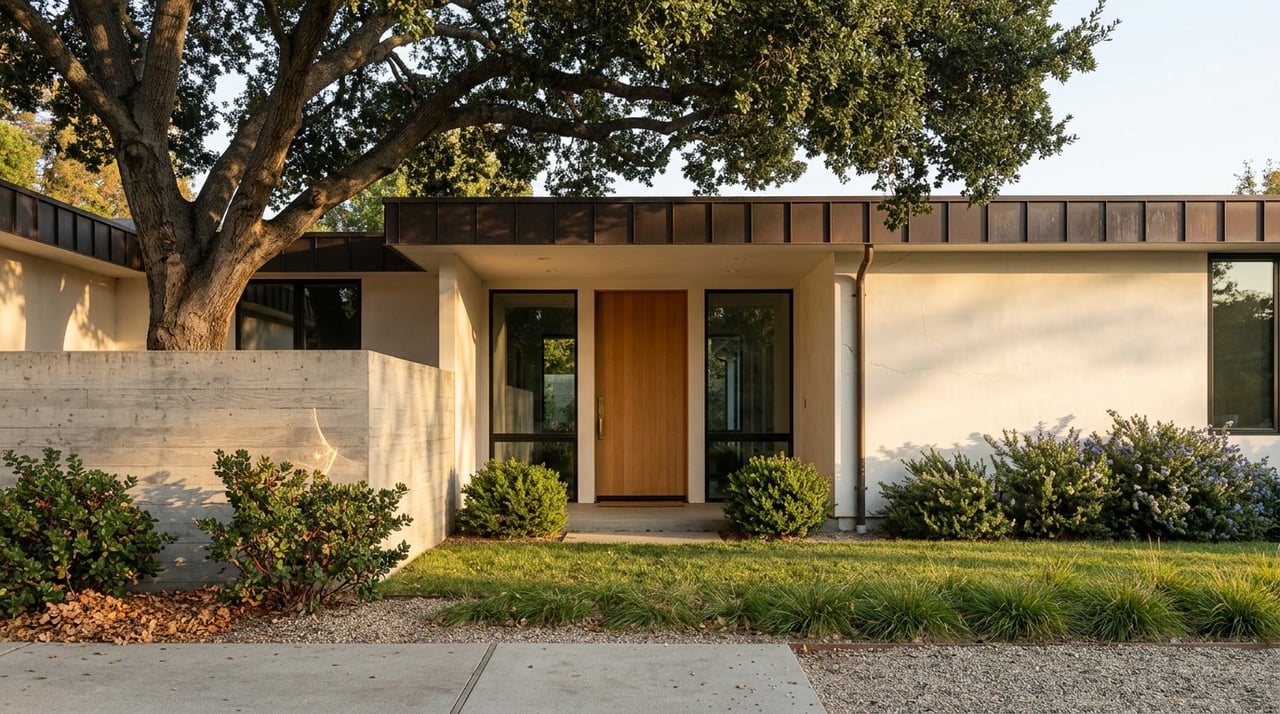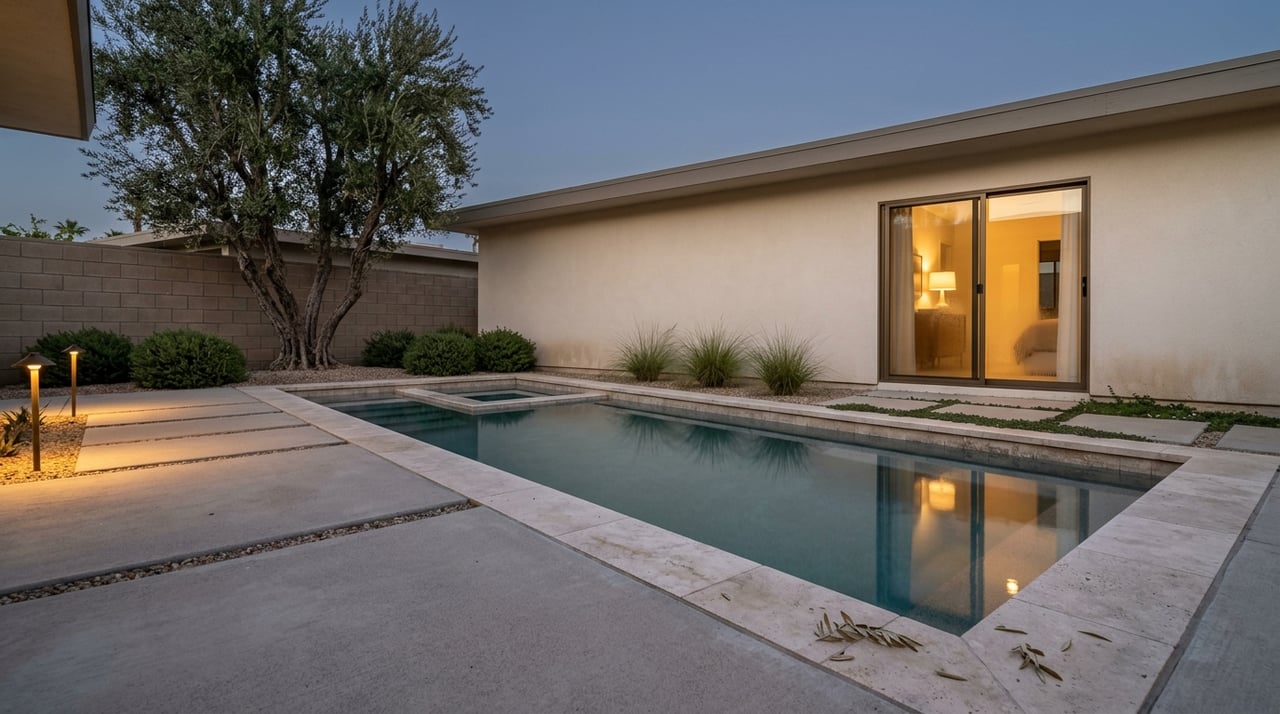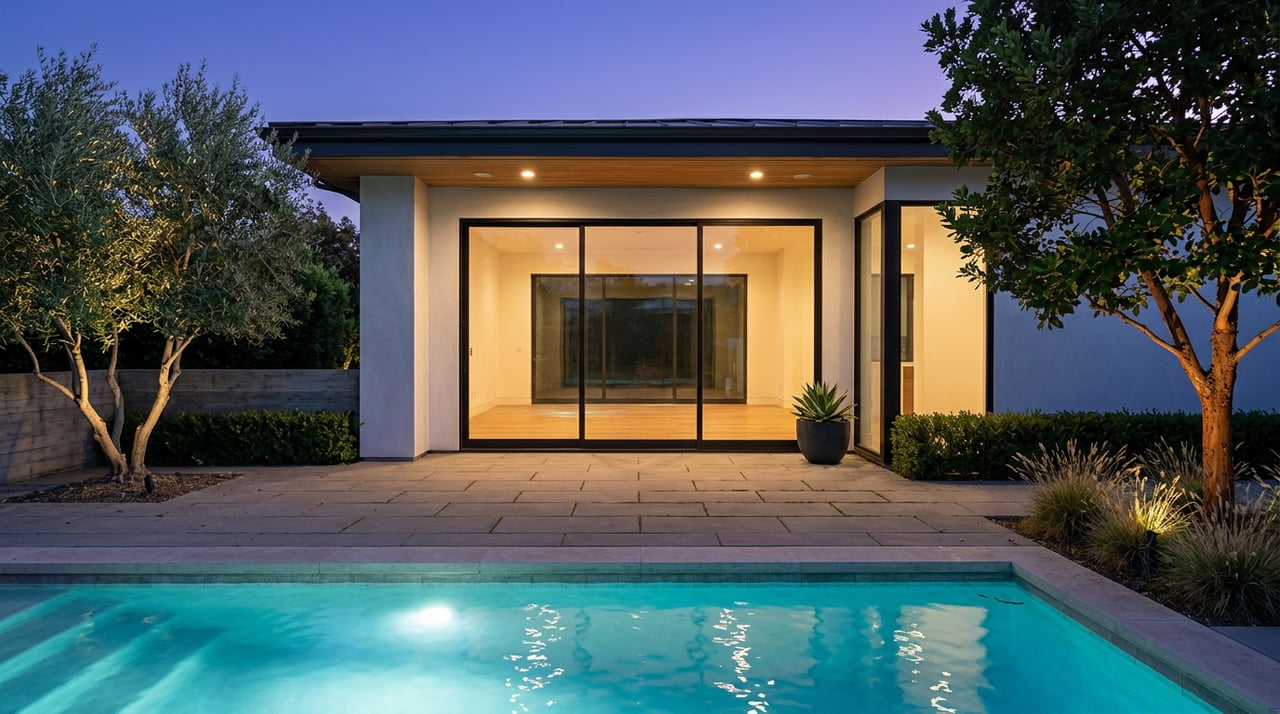
A buyer comparing two Redwood City listings side by side will usually notice the price gap before anything else. One sits in Redwood Shores, priced below what a comparable home costs a few miles inland. The other is in a neighborhood without a lagoon view or a homeowners association. On paper, the Shores home looks like the better deal.
It often is. But the gap is smaller than it looks, and part of what closes it never shows up on the listing sheet. It shows up on the property tax bill, months after closing, as a separate line item that has nothing to do with the home's assessed value.
The Tax That Isn't Really a Tax
Redwood City maintains three Community Facilities Districts, known statewide as Mello-Roos districts: Redwood Shores CFD No. 99-1, Pacific Shores CFD No. 2000-1, and One Marina CFD No. 2010-1. Anyone buying in one of these areas is paying into a special tax that sits alongside, not inside, the standard 1 percent property tax rate.
The Redwood Shores district was established through Ordinance No. 2180 in 1999 to fund what the city calls the Shores Transportation Improvement Project. Unlike a regular property tax, the special tax isn't tied to what the county assessor thinks the home is worth. It's a separate charge set by a rate and method of apportionment adopted when the district was formed, and it gets billed on the same schedule as the rest of the property tax bill, due December 10 and April 10 each year.
None of this makes Redwood Shores unusual for California. It makes it typical of a master planned waterfront community built after Proposition 13 closed off the old way cities paid for roads and infrastructure. What it does mean for a buyer is that the sticker price on a Redwood Shores listing is not the full annual cost of owning it, and that gap is easy to miss if you're comparing it only to a citywide median.
Then There's the HOA That Isn't One HOA
Redwood Shores adds a second layer that a buyer coming from a typical single-family neighborhood may not expect: two, sometimes three, separate governing associations attached to a single address.
The Redwood Shores Owners Association sits above everything as an umbrella HOA, covering roughly 4,084 households, close to 80 percent of the neighborhood's population, across 26 separate residential developments plus several rental complexes and a cooperative. Below that umbrella, each development runs its own local association with its own dues, its own architectural rules, and in many cases its own separate bill.
Some of the names on that list will be familiar to anyone who has driven through the neighborhood: Beacon Shores, Boardwalk, Bridgeport, Governors Bay, Harbor Court, Lakeshore Townhomes, Pelican Cove, Peninsula Landing, Regatta, and Sandpiper Lagoon, among others. Two homes in two of these developments can sit a few blocks apart, look nearly identical from the street, and carry meaningfully different monthly obligations once both layers of dues are added up. A buyer who only asks "what's the HOA fee" and takes the first number offered may be looking at the sub-association's number without realizing the RSOA obligation sits on top of it.
The Part That Actually Changes With Time
Here is where the math gets more interesting than a simple fee stack. Mello-Roos special taxes exist to repay bonds, and bonds have an end date. Most CFD bonds run 25 to 40 years from the date the district was formed. Redwood Shores' original bonds date back to the 1980s and have since been refinanced, and the broader pattern for the district is that its obligations are largely sunsetting sometime in the 2030s.
That detail matters more than the size of the annual tax itself. A home carrying five more years of special tax payments is a very different proposition than one carrying twenty, even if the current annual bill looks identical on both tax records. The bond doesn't reset when a new owner buys the house. It runs on its own clock, tied to when the district was formed, not when the sale closes.
The only way to know where a specific address sits on that clock is to ask. A title company's preliminary report will show it. So will the most recent property tax bill, and the county assessor's parcel records. This is a five-minute question worth asking before writing an offer, not after.
What the Discount Actually Looks Like
Here's where the comparison gets genuinely useful. Different data sources report the price gap between Redwood Shores and the rest of Redwood City differently, and the size of the reported gap depends heavily on which month and which provider you're looking at.
Using one consistent source across a comparable window tells a cleaner story. Over the three months ending in May 2026, the Redwood Shores median sale price was $1.7 million, up 0.3 percent year over year, with homes selling in about 14 days. Over the three months ending in June 2026, the citywide Redwood City median was $1.9 million, up 2.1 percent year over year, selling in about 12 days.
| Redwood Shores | Redwood City (citywide) | |
|---|---|---|
| Median sale price | $1.7M (3 mo. ending May 2026) | $1.9M (3 mo. ending June 2026) |
| Price per square foot | $1.06K, down 3.4% YoY | $1.19K, up 10.3% YoY |
| Typical days on market | ~14 | ~12 |
That's roughly an 11 percent gap, not the 20-plus percent figure that shows up when a Redwood Shores number from one provider gets compared against a citywide figure from another. It's a real discount, but a more modest one than the headline version suggests.
The per-square-foot trend is the more telling number. Redwood City's citywide price per square foot rose over the past year while Redwood Shores' fell. The neighborhood that carries the extra tax district and the double layer of HOA dues is also the one where the underlying per-square-foot value is softening relative to the rest of the city. That doesn't make Redwood Shores a bad buy. It means the fee stack matters more now than it did when the gap was wider and the cushion was bigger.
What This Means If You're Comparing the Two
None of this is a reason to avoid Redwood Shores. Buyers choose it for good reasons: the lagoon frontage, the walkability to the Marketplace shops including Nob Hill Foods, the trail access at Bair Island, the newer housing stock built to a consistent planned standard. What it does mean is that the comparison shouldn't stop at the sale price.
Before writing an offer on a Redwood Shores home, or comparing one to a non-CFD Redwood City neighborhood, it's worth doing three things. Pull the most recent property tax bill and find the CFD line item rather than assuming it matches a neighbor's. Ask which of the 26 RSOA-member developments the address falls under and whether there's a second layer of dues beyond the RSOA's own charge. And ask the title company how many years remain on that specific parcel's bond, since that number affects long-term carrying cost more than almost anything else in the listing.
A buyer who runs those three questions before comparing prices is comparing something closer to the real cost of ownership, not just the number on the sign.
A Few Common Questions
Does every home in Redwood Shores pay into the same Mello-Roos district? Most of the neighborhood falls within the Redwood Shores CFD No. 99-1, but the exact charge and whether a home is covered by RSOA depends on when it was built and which development it sits in. Properties built before 1981 may fall outside RSOA's structure entirely and answer to a separate design review process instead. The only reliable way to confirm a specific parcel's obligations is the tax bill and title report.
Is the special tax deductible like regular property tax? Generally, the portion of a Mello-Roos payment used to repay bond principal is not treated as a deductible ad valorem property tax. A portion tied to ongoing maintenance or services may be treated differently. This is a question for a CPA who can look at the specific CFD's rate and method of apportionment, not something to assume either way.
How do I find out how many years are left on a specific home's bond? Ask for the preliminary title report once you're in contract, request the most recent tax bill from the seller's agent, or search the parcel through the San Mateo County records. Each will show the special tax line and, often, the district's formation date, which is the starting point for calculating what's left.
Comparing two Redwood City neighborhoods on price alone tells you where the sticker starts. It doesn't tell you what a specific address will actually cost to hold for the next ten years, and that's usually the number that matters more. If you're weighing Redwood Shores against another part of Redwood City and want the fee stack pulled apart address by address before you write an offer, The Fallant Group is happy to walk through it with you. Schedule a consultation and we'll get you real numbers, not just a median.