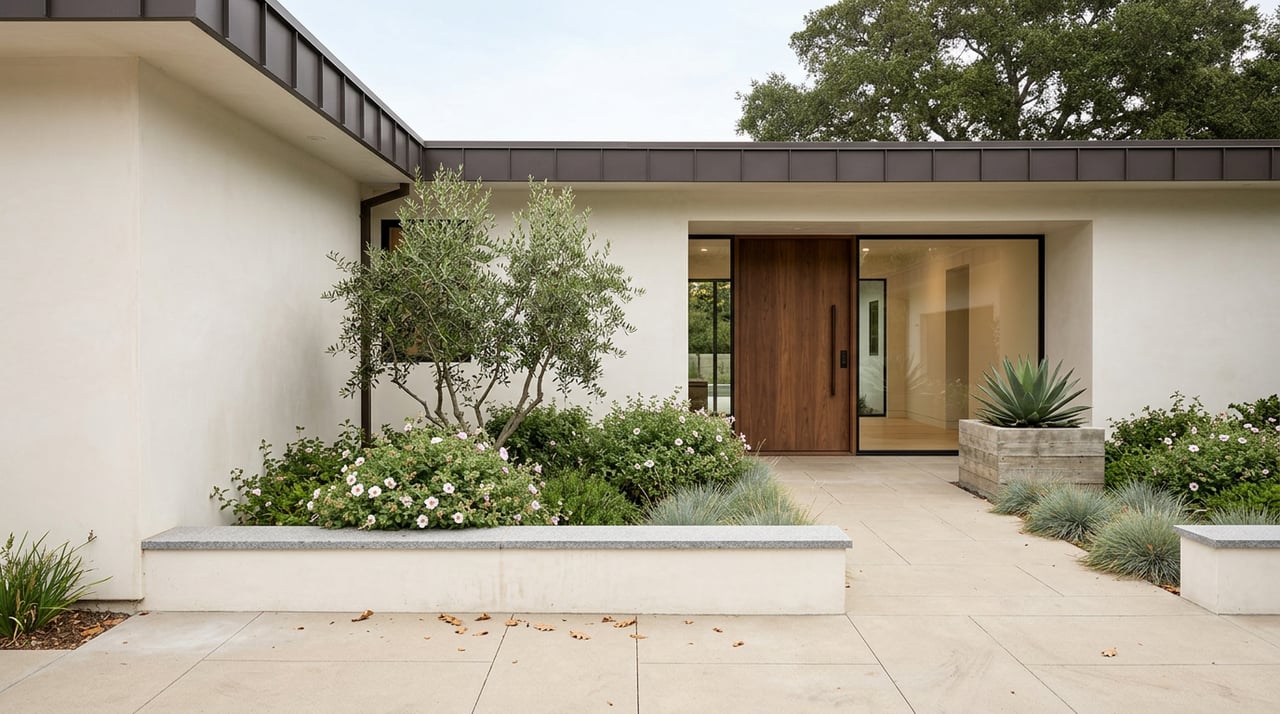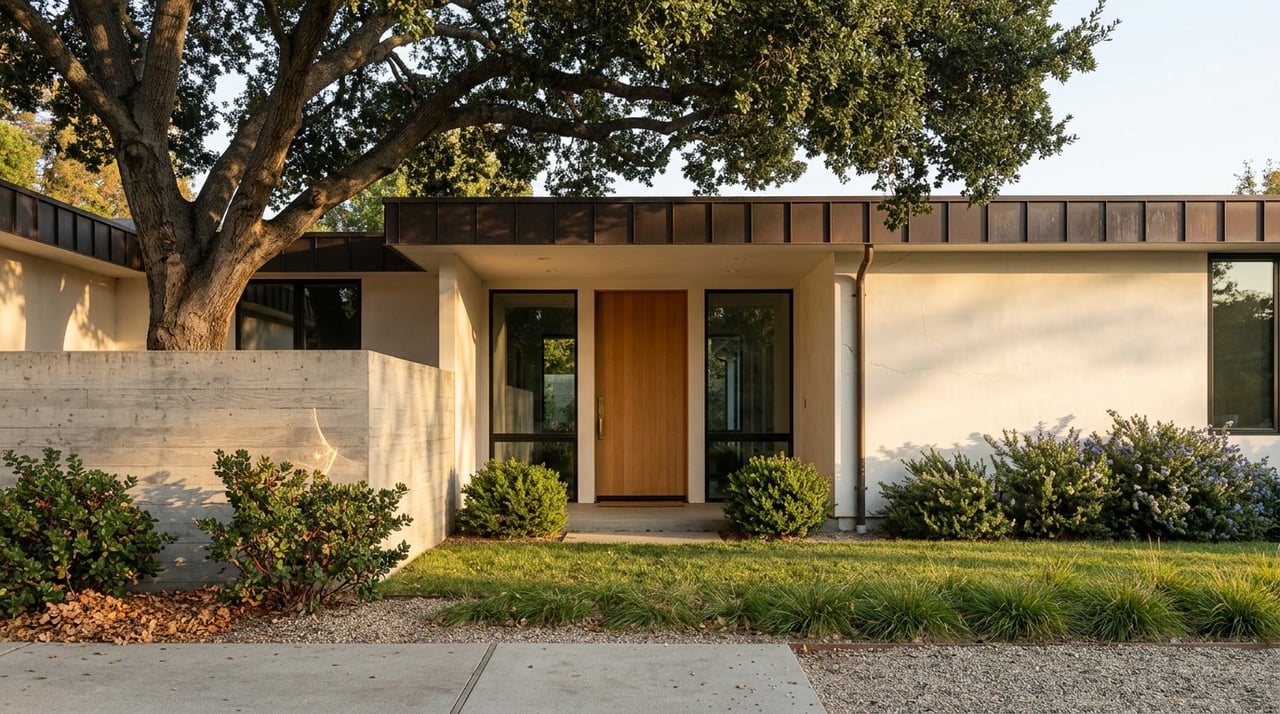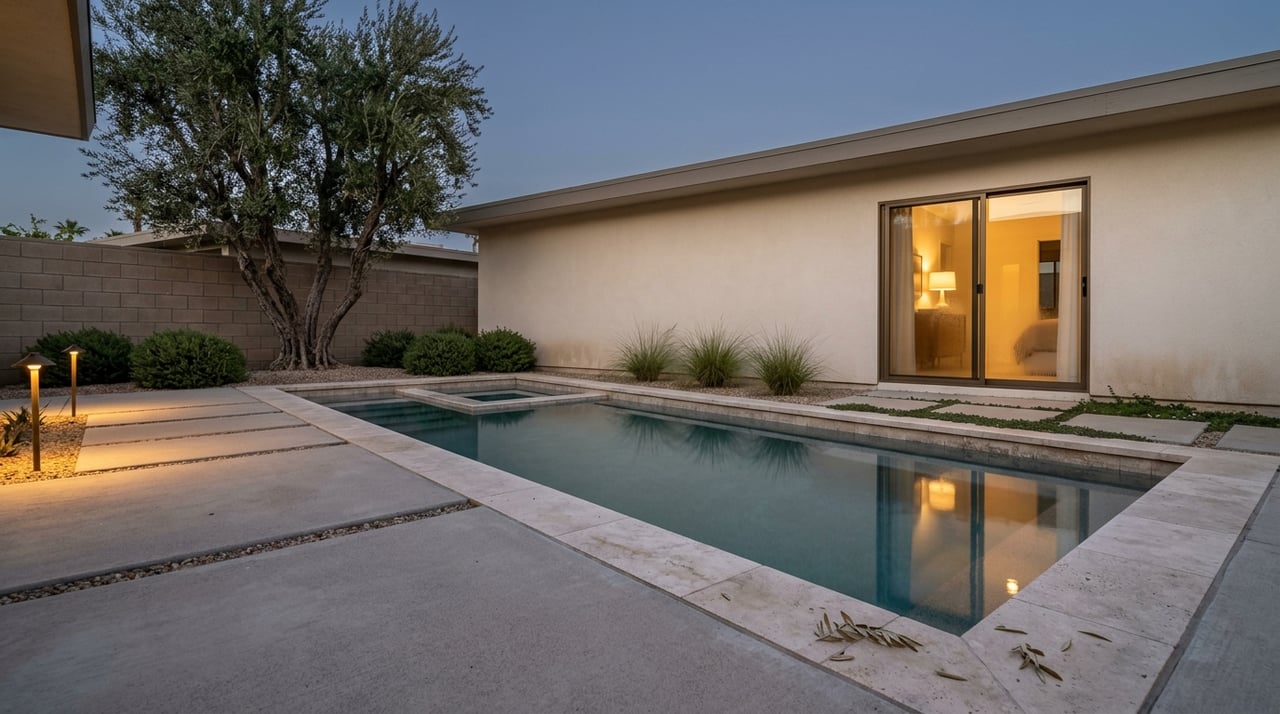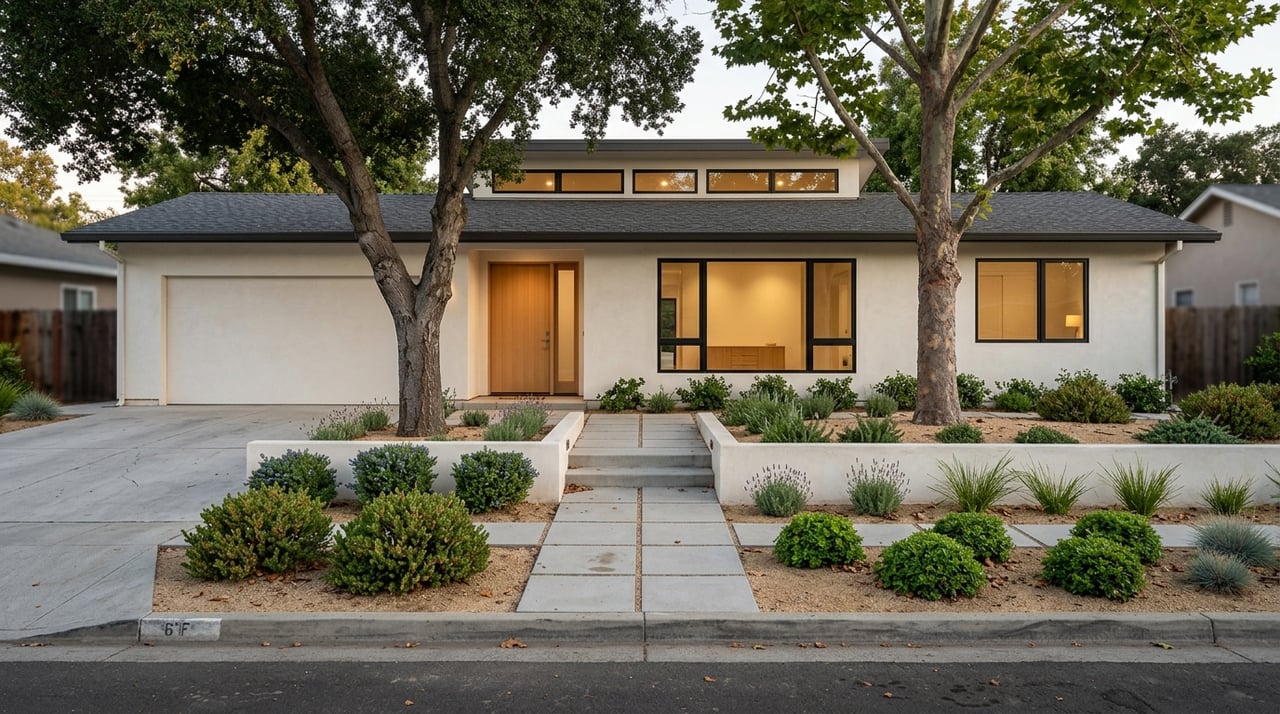
If you are narrowing down a Peninsula home search, Belmont tends to come up for a reason. It sits in a useful middle ground: more residential than some nearby cities, well connected for commuters, and still active enough to support day-to-day life without feeling overly urban. If you are comparing Belmont with San Carlos, Redwood City, or San Mateo, this guide will help you understand where Belmont fits and what kind of buyer it often suits best. Let’s dive in.
Why Belmont Stands Out
Belmont is a small city of about 4.6 square miles, and the city describes itself as roughly halfway between San Francisco and San Jose. That location alone keeps it on many buyers’ shortlists, especially if you want Peninsula access without jumping straight to the busiest downtown environments.
City materials also highlight Belmont’s wooded hills, open space, and a downtown plan centered around Caltrain and nearby shopping and services. In practice, that often gives Belmont a quieter, neighborhood-based feel while still keeping key daily conveniences within reach.
How Belmont Compares on Housing
One of the clearest ways Belmont fits into a Peninsula home search is through its housing mix. Belmont’s fair housing assessment says single-family homes make up 58% of the city’s housing stock, while city housing work points to newer multifamily growth along the El Camino Real and Belmont Village corridor.
That matters because it places Belmont in a middle position among nearby Peninsula options. It is less detached-home-heavy than San Carlos, which Belmont’s comparison data puts at 68% single-family, but more single-family-oriented than San Mateo at 44%.
Redwood City is an interesting comparison. Its planning materials say 58% of its housing stock is single-family and about 40% is multifamily, but the city also notes missing-middle housing in older neighborhoods near transit. So while Belmont and Redwood City may look similar at a glance on single-family share, Redwood City generally reads as the more urban and mixed-use option.
What that means for your search
If you are shopping for a detached home but still want some variety in housing types nearby, Belmont can make sense. It is not as exclusively single-family as San Carlos, and it is not as multifamily-leaning as San Mateo.
That middle position can be helpful if you want flexibility. You may be looking for a traditional home today, while also wanting a city that includes condos, townhomes, or corridor growth that broadens your options over time.
Belmont’s Price Position on the Peninsula
Belmont is not usually the value play in this group. In Redfin’s April 2026 snapshot for 94002, Belmont had a median sale price of $2,248,868.
That puts Belmont above Redwood City at $1,899,019 and San Mateo at $1,602,173, but below San Carlos at $2,708,851. For buyers building a shortlist, that creates a useful frame: Belmont often sits in the upper-middle part of this Peninsula comparison set.
Market speed matters too
Price tells only part of the story. In that same April 2026 snapshot, Belmont had a median of 10 days on market, compared with 11 in Redwood City, 12 in San Carlos, and 13 in San Mateo.
Belmont also showed a 107.4% sale-to-list price ratio, with 76.5% of homes selling above list price. That points to a tight market, not a relaxed one. If Belmont is on your list, it helps to treat it as a place where preparation and timing matter.
Why Commuters Keep Belmont in Mind
For many Peninsula buyers, commute options are a major filter. Belmont stays in the conversation because it offers direct Caltrain access, along with regional connectivity through US 101, I-280, and Highway 92.
The city also identifies El Camino Real, Ralston Avenue, and Alameda de las Pulgas as major local arterials. That mix gives you several ways to move around the Peninsula depending on where you work and how you prefer to travel.
Caltrain station connections also tie Belmont into SamTrans ECR and 397, plus Commute.org RLC and SamTrans 260. That is meaningful access for a smaller city, even if some nearby options have broader transit networks.
How Belmont compares on transit
Redwood City’s Caltrain station connects to a broader set of bus and shuttle options. San Mateo is especially transit-rich, with three Caltrain stations and multiple station connections. San Carlos also has Caltrain and SamTrans links, though its connection set is simpler than Redwood City’s or San Mateo’s.
So where does Belmont land? It is not the most transit-heavy city in this group, but it offers enough rail, road, and bus access to stay highly practical for many Peninsula households.
Belmont’s Day-to-Day Feel
Beyond housing and commute, buyers usually want to know what a place feels like on an ordinary Tuesday. Belmont’s city profile emphasizes a quiet residential identity, and that description lines up with the way many buyers evaluate it.
The city maintains 14 developed parks across 31 acres, plus 337 acres of open space. That amount of open land is a real part of Belmont’s appeal if you want room to breathe and easy access to outdoor areas.
Twin Pines Park helps explain the city’s local rhythm. It is a 19-acre civic park that includes the historical museum, parks and recreation offices, and the senior and community center. Amenities like that tend to reinforce Belmont’s neighborhood-based character rather than a downtown-first identity.
How nearby cities feel different
San Carlos has 16 public parks and about 135 acres of parks and open space, with planning attention focused on downtown Laurel Street and nearby corridor improvements. Redwood City is the most urban option in this group, with more than 75 restaurants, hundreds of retail and personal-service businesses, a thriving entertainment district, and more than 30 parks.
San Mateo sits somewhere between those two poles. It offers about 200 acres of parks, six community centers, two pools, a vibrant downtown, and regional shopping centers.
If you compare those profiles side by side, Belmont tends to appeal to buyers who want a quieter setting and notable open space, but still want enough local services and transit to make daily life work smoothly.
When Belmont Makes the Most Sense
Belmont generally belongs on your shortlist if you want a smaller Peninsula city with a residential feel, direct Caltrain access, and a housing mix that still leans meaningfully single-family. It can also be a strong fit if you want more breathing room than a more urban setting may offer.
Relative to San Carlos, Belmont is usually the less detached-home-heavy and lower-priced choice. Relative to Redwood City and San Mateo, Belmont is quieter and less amenity-dense, but it still offers enough parks, neighborhood services, and transportation access to function well for many buyers.
Belmont may be a fit if you value:
- A smaller city footprint
- A more residential, neighborhood-based atmosphere
- Direct Caltrain access
- Strong open-space presence
- A market that sits between the most urban and most detached-home-oriented Peninsula options
Belmont may be less ideal if you want:
- The broadest dining and entertainment scene
- The most transit-rich setup in the group
- A lower median price point than Redwood City or San Mateo
- A city that feels more downtown-driven than neighborhood-driven
How to Use Belmont in a Smart Search Strategy
The best way to evaluate Belmont is not in isolation. It is most helpful when you compare it directly with the nearby cities that buyers often consider at the same time: San Carlos, Redwood City, and San Mateo.
Think about your search in terms of trade-offs. Do you want more open space or more restaurants? A quieter residential identity or a busier mixed-use environment? A higher price point with a strong neighborhood feel, or a broader range of urban amenities at a different entry point?
That kind of side-by-side thinking usually makes Belmont’s role clearer. It is often the choice for buyers who want a calm Peninsula setting that still checks the practical boxes for commuting, daily errands, and long-term livability.
If you are weighing Belmont against other Peninsula cities, a local comparison can save you time and sharpen your strategy. The The Fallant Team can help you evaluate micro-markets, compare trade-offs, and move forward with a plan that fits your goals.
FAQs
How does Belmont compare with San Carlos for Peninsula buyers?
- Belmont generally offers a lower median price than San Carlos and a less detached-home-heavy housing mix, while still maintaining a residential feel.
How does Belmont compare with Redwood City in a home search?
- Belmont and Redwood City have a similar broad single-family share, but Redwood City is generally the more urban and mixed-use option, while Belmont feels quieter and more neighborhood-based.
How does Belmont compare with San Mateo for housing mix?
- Belmont is more single-family-oriented than San Mateo based on the comparison data Belmont cites, which places Belmont at 58% single-family housing and San Mateo at 44%.
Is Belmont a competitive housing market right now?
- Yes. In Redfin’s April 2026 snapshot, Belmont had a median of 10 days on market, a 107.4% sale-to-list price ratio, and 76.5% of homes selling above list price.
Does Belmont work well for commuters on the Peninsula?
- Belmont offers direct Caltrain access and regional connections through US 101, I-280, and Highway 92, plus local links through major arterials and bus connections.
What kind of lifestyle does Belmont offer compared with nearby cities?
- Belmont tends to offer a quieter residential setting with 14 developed parks, 337 acres of open space, and a more neighborhood-centered feel than nearby cities with larger downtown or entertainment districts.